Get Irrigation System Winterization
Irrigation System Winterization services help property owners prevent damage and freezing issues by having local contractors drain, disconnect, and prepare sprinkler systems for winter.
Property owners in the area often find that preparing irrigation systems for winter is a practical step to protect their investment and ensure reliable operation come spring. Proper winterization helps prevent damage caused by freezing temperatures, which can lead to costly repairs or system failures. By exploring available services, property owners can compare local contractors who specialize in irrigation system winterization, ensuring they choose experienced professionals suited to their specific needs.
Continuing with the right preparations can also save time and effort during the spring restart process. Local service providers offer a range of solutions designed to safeguard irrigation components and maintain system integrity throughout the colder months. Property owners are encouraged to review their options and connect with trusted contractors who can handle winterization effectively, setting the stage for a healthy and efficient irrigation system when warmer weather returns.
- In-ground irrigation systems - homeowners may need winterization services before the first freeze to prevent damage.
- Sprinkler system components - property owners should winterize to avoid cracking or bursting during cold weather.
- Automatic irrigation controllers - clients might require service providers to drain and protect electronic controls from winter conditions.
- Drip irrigation lines - gardeners and landscapers often seek winterization to preserve delicate tubing through the winter months.
- Commercial irrigation setups - business properties may need professional winterization to ensure system integrity during the off-season.
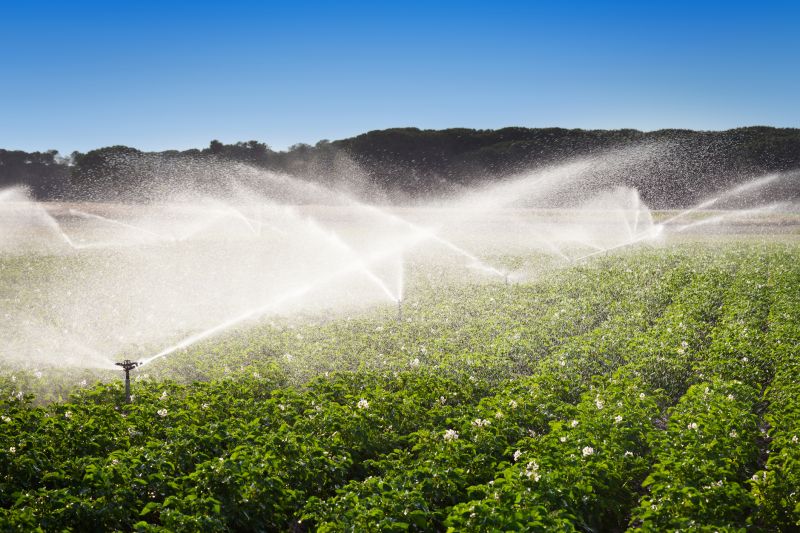
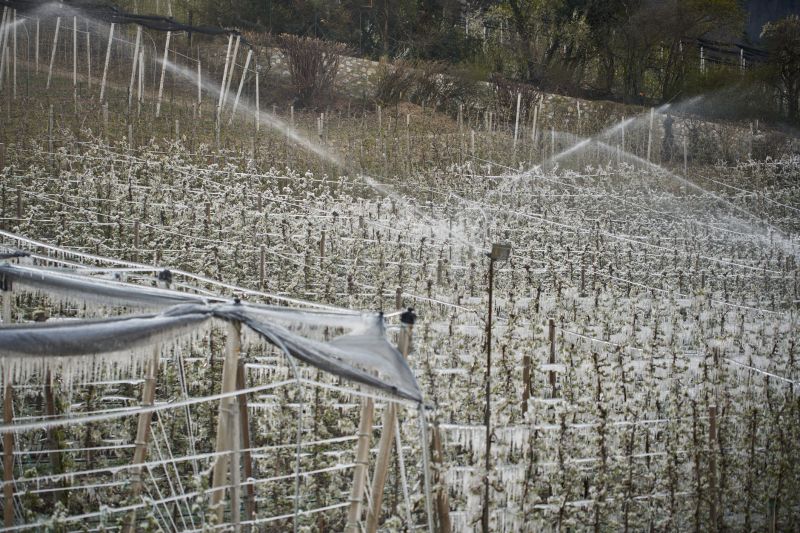
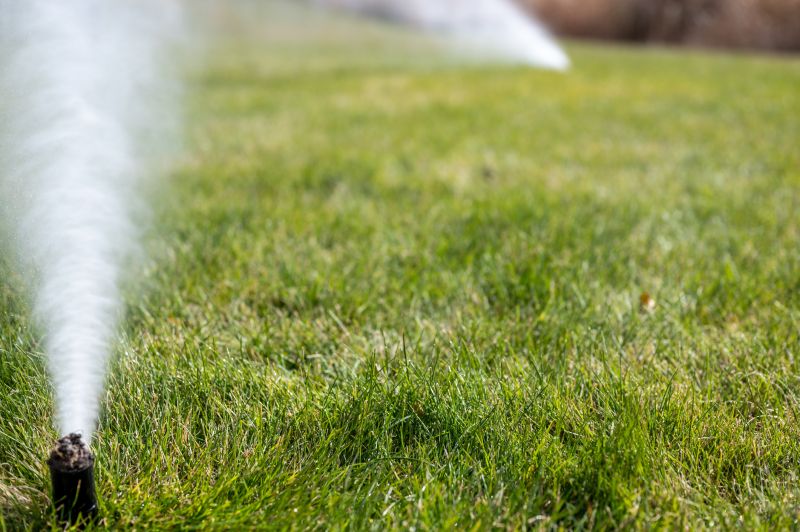
Irrigation system winterization services involve preparing an irrigation system for the colder months to prevent damage caused by freezing temperatures. The process typically includes draining remaining water from pipes, valves, and sprinkler heads, as well as insulating exposed components to protect them from the cold. Proper winterization helps ensure that the irrigation system remains in good condition and is ready to operate efficiently when warmer weather returns. These services are essential for property owners who want to avoid costly repairs resulting from frozen and burst pipes during winter.
One of the primary problems winterization addresses is the risk of water expansion within the irrigation system’s components. When water freezes, it expands, which can cause pipes, valves, or sprinkler heads to crack or break. This damage often leads to leaks, system failure, and the need for extensive repairs in the spring. By removing water and protecting vulnerable parts, winterization services help prevent these issues, saving property owners time and money. Additionally, winterizing can reduce the likelihood of system malfunctions or uneven watering once the system is back in use.
Properties that typically benefit from winterization services include residential homes, commercial properties, and multi-family complexes that have in-ground irrigation systems. These systems are common in lawns, gardens, parks, golf courses, and sports fields. Any property with an underground sprinkler network or outdoor irrigation equipment should consider winterization if located in regions where temperatures drop below freezing. Even properties with smaller or simpler irrigation setups can experience problems if winter weather is not properly addressed, making professional winterization a practical step for maintaining system longevity.
Homeowners and property managers often seek winterization services when preparing for seasonal changes or during the late fall months. Recognizing signs that indicate the need for winterization-such as system leaks, frozen pipes, or visible damage-can help prevent costly repairs later. Local contractors who specialize in irrigation system winterization can assess individual properties, identify vulnerabilities, and implement appropriate measures to protect the irrigation infrastructure. Contacting experienced service providers ensures that the system is properly winterized, reducing the risk of damage and ensuring smooth operation when the irrigation season resumes.
The overview below groups typical Irrigation System Winterization projects into broad ranges so you can see how smaller, mid-sized, and larger jobs often compare in your area.
In many markets, a large share of routine jobs stays in the lower and middle ranges, while only a smaller percentage of projects moves into the highest bands when the work is more complex or site conditions are harder than average.
Routine Winterization - for many smaller irrigation systems, local contractors typically charge between $250 and $600 to winterize and store equipment properly. These routine jobs often fall within the middle of this range, depending on system size and complexity.
Mid-Size System Services - projects involving moderate-sized irrigation setups usually cost between $600 and $1,200. Larger, more complex systems can push costs higher, but most projects in this range are common for standard residential properties.
Full System Winterization - comprehensive winterization for larger or more intricate irrigation systems can range from $1,200 to $2,500. Fewer projects reach into this higher tier, typically involving extensive piping or multiple zones.
Complete System Replacement - replacing an entire irrigation system for winterization purposes can cost $3,000 or more, especially for large commercial or high-end residential properties. Such projects are less frequent but represent the upper end of typical service costs.
Actual totals will depend on details like access to the work area, the scope of the project, and the materials selected, so use these as general starting points rather than exact figures.
Sprinkler System Maintenance - technicians who perform seasonal shutdowns and system checks have skills similar to irrigation winterization, ensuring proper system shutdown and protection.
Backflow Prevention Services - professionals who install and test backflow preventers are experienced with plumbing and irrigation components involved in winterization procedures.
Drainage System Installation - contractors specializing in drainage solutions understand landscape and underground piping work relevant to preparing irrigation systems for winter.
Landscape Irrigation Design - designers familiar with irrigation layouts have the planning skills needed to prepare systems for seasonal shutdowns and reactivation.
Pipe Repair and Replacement - specialists who repair or replace underground piping are well-versed in the components involved in irrigation system winterization.
Water Feature Winterization - service providers who winterize fountains and water features possess skills applicable to protecting irrigation components from winter damage.
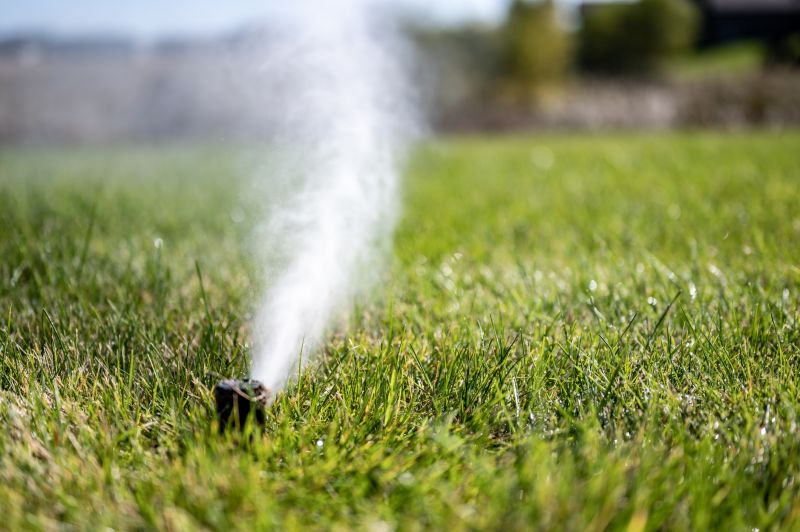
When comparing local contractors for irrigation system winterization, it’s important to consider their experience with similar projects. A provider with a history of successfully handling winterization for residential irrigation systems can offer insights into what the job entails and demonstrate familiarity with common issues that arise during colder months. Asking about the types of systems they’ve worked on and the scope of their experience can help gauge their ability to meet specific needs, ensuring that the winterization process is thorough and effective.
Clear, written expectations are essential when choosing a service provider. It’s advisable to discuss and confirm what services are included, such as draining lines, blowouts, or system shutdown procedures, and to ensure these details are documented. This clarity helps prevent misunderstandings and ensures that both parties are aligned on what the winterization entails. Reputable local contractors are typically willing to provide detailed explanations of their process, which can serve as a useful reference for homeowners seeking transparency and confidence in the work.
Good communication and reputable references are key indicators of a reliable service provider. When evaluating options, it’s helpful to seek out local contractors who can provide references from past clients or examples of similar projects. This feedback can offer insights into their professionalism, responsiveness, and quality of work. Effective communication throughout the process, including timely responses to questions and clear explanations of procedures, can make the experience smoother and more predictable. Remember, this site introduces homeowners to local options and does not perform the work directly, so it’s beneficial to gather as much information as possible to make an informed decision.
Property owners use Irrigation System Winterization services for practical projects around their homes and businesses. This guide focuses on everyday jobs and straightforward project options.
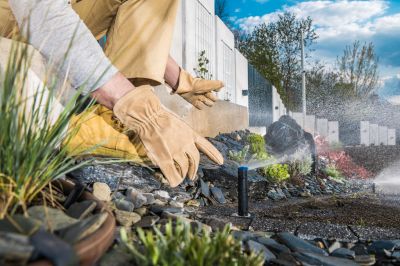
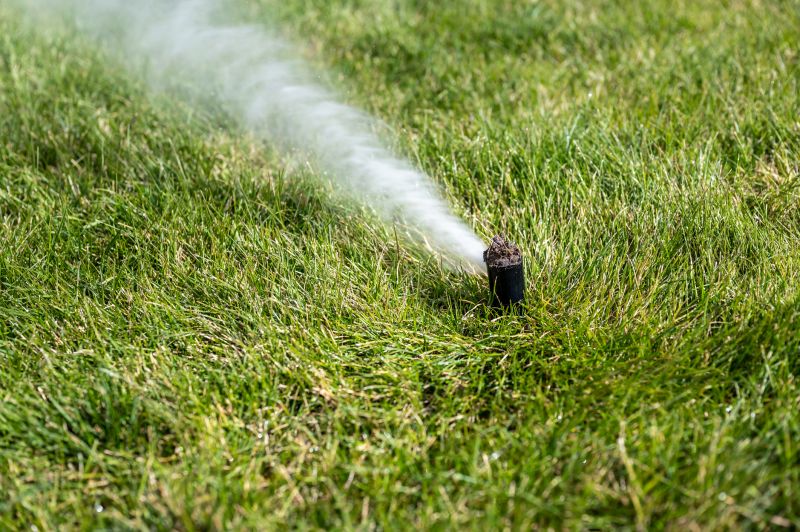
Property owners in the area often seek irrigation system winterization services to protect their landscaping investments during the colder months. When temperatures drop, water remaining in irrigation lines can freeze and cause damage, leading to costly repairs or replacements in the spring. Local contractors offer winterization services to drain and blow out sprinkler systems, helping prevent these issues and ensuring the system remains in good condition year after year.
Many residents and property managers look for professional assistance to prepare their irrigation systems for winter because doing so can be complex and time-consuming. Proper winterization involves more than just shutting off the system; it requires specific techniques to safeguard pipes and valves from freezing. Connecting with experienced service providers ensures the job is done correctly, reducing the risk of damage and making spring startup smoother.
Why is winterizing my irrigation system important? Winterizing helps prevent damage from freezing temperatures, which can cause pipes and components to crack or burst, leading to costly repairs.
What steps are involved in irrigation system winterization? The process typically includes draining or blowing out water from pipes, valves, and sprinkler heads to prevent ice formation during colder months.
When should I schedule irrigation system winterization? It's recommended to have the service performed before the first hard freeze to ensure your system is protected throughout the winter.
Can local contractors handle different types of irrigation systems? Yes, many service providers are experienced with various irrigation setups, including sprinkler, drip, and custom systems.
How do I find qualified local pros for winterizing my irrigation system? You can compare and connect with local service providers through a lead generation platform that specializes in matching customers with trusted contractors.
Prevent system damage during winter - Proper winterization helps protect sprinkler components from freezing temperatures, reducing the risk of costly repairs.
Ensure sprinkler system longevity - Regular winterization services can extend the lifespan of irrigation equipment by preventing corrosion and freeze damage.
Maintain landscape health - Properly winterized systems prevent water from freezing and expanding, which can cause damage to lawns and plant beds.
Prepare for spring activation - Professional winterization simplifies the process of restarting irrigation systems when warmer weather arrives.
If you are thinking about Irrigation System Winterization for a property, this guide is meant to help you understand the work, the typical project types, and how different options might fit your plans.
When you are ready, you can use the quote form on this page to share a few details about your project. From there, local pros can review the basics and respond with options that match what you have in mind.